Agricultural Land Resources
Northern California & Sacramento Valley
Quick Links
Agricultural land in Northern California is influenced by water reliability, soil productivity, land use regulations, conservation programs, and regional market demand. These factors directly impact farmland value and long-term ownership decisions.
This resource section provides an overview of key topics affecting farmland values throughout Northern California, including Yolo, Colusa, Sutter, Solano, Butte, Glenn, Tehama, and surrounding counties. Whether you are evaluating land value, considering a future sale, or planning long-term stewardship, these resources are intended to help you make informed decisions.
If you have questions about how these factors affect your property, we welcome a confidential conversation.
Agricultural Land Values in Northern California
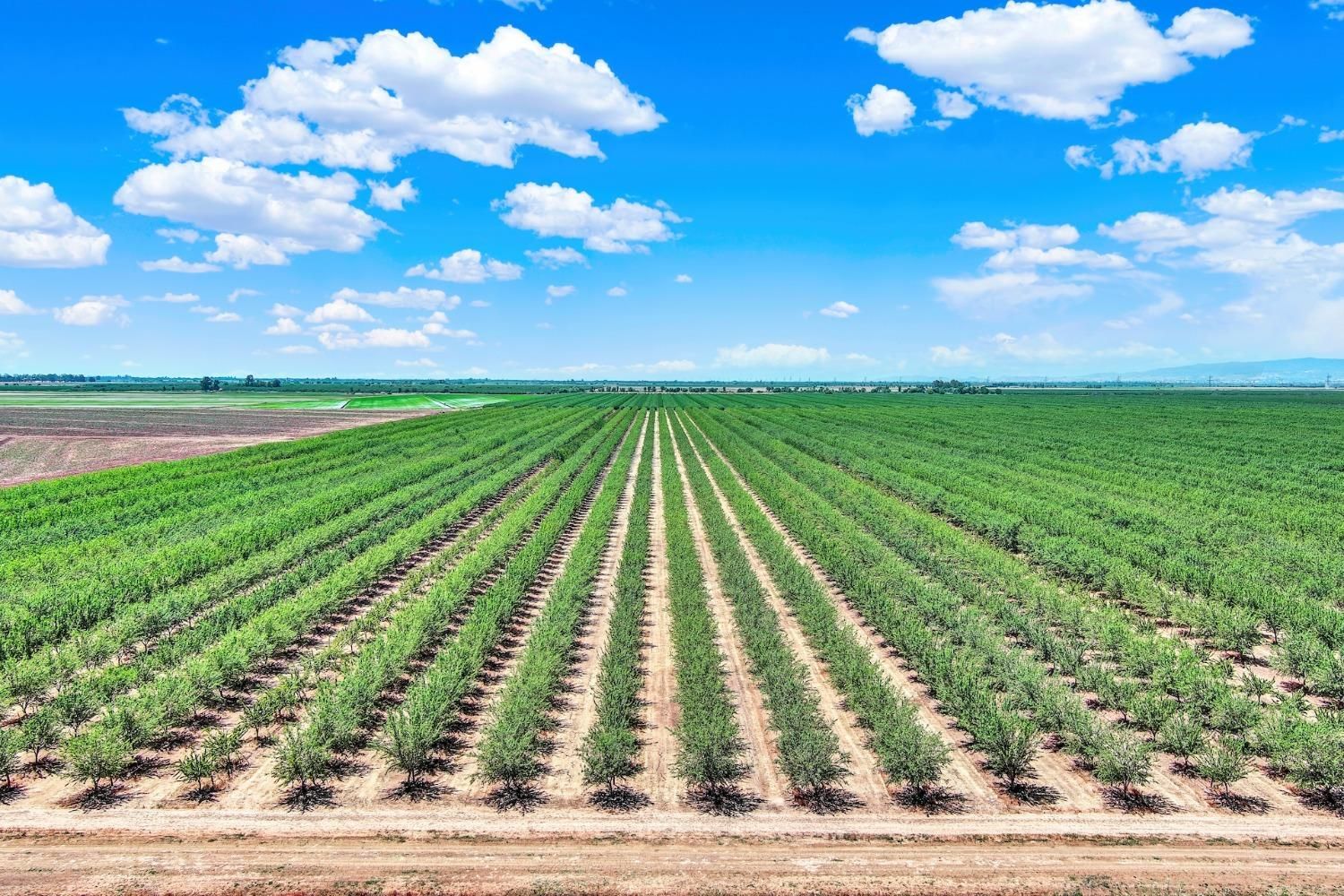
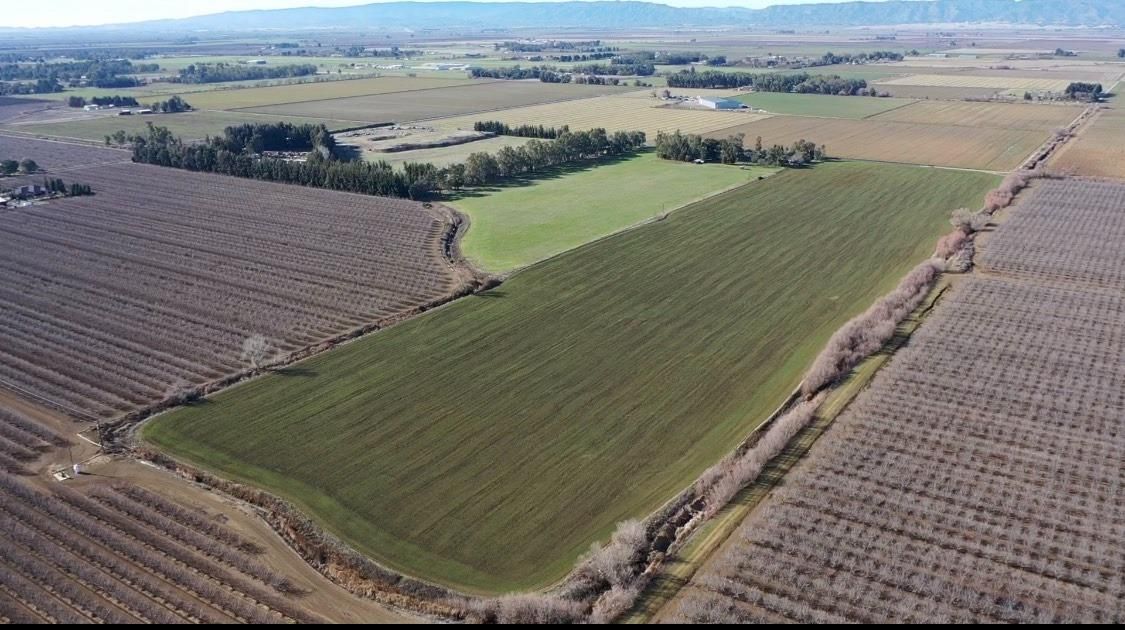
The Sacramento Valley is one of the most productive agricultural regions in the United States, supporting rice production, orchards, vineyards, row crops, and rangeland across Yolo, Colusa, Sutter, Solano, Butte, Glenn, Placer, Tehama, and surrounding counties. Fertile soils, established irrigation systems, and a long history of agricultural production contribute to the region’s strong farming economy.
Agricultural land in Northern California attracts farmers, investors, and long-term land stewardship interests seeking long-term productivity. Understanding regional land use patterns and agricultural infrastructure is essential when evaluating farmland ownership, investment potential, or a future sale.
Questions about how regional trends affect your property? We welcome a confidential conversation.
What Drives Agricultural Land Value in Northern California
Farmland values in Northern California vary widely depending on water reliability, soil quality, crop suitability, parcel size, and market demand. Properties with dependable irrigation, productive soils, and efficient field layouts typically attract the strongest buyer interest.
Crop type also influences value. Orchard ground and vineyards may generate higher per-acre returns, while rice and row crop land provide production stability and operational flexibility. Conservation considerations, access, and long-term land stewardship potential can also affect pricing and buyer demand.
Understanding these factors helps landowners make informed decisions when evaluating value or considering a sale.
Water & Irrigation in Northern California
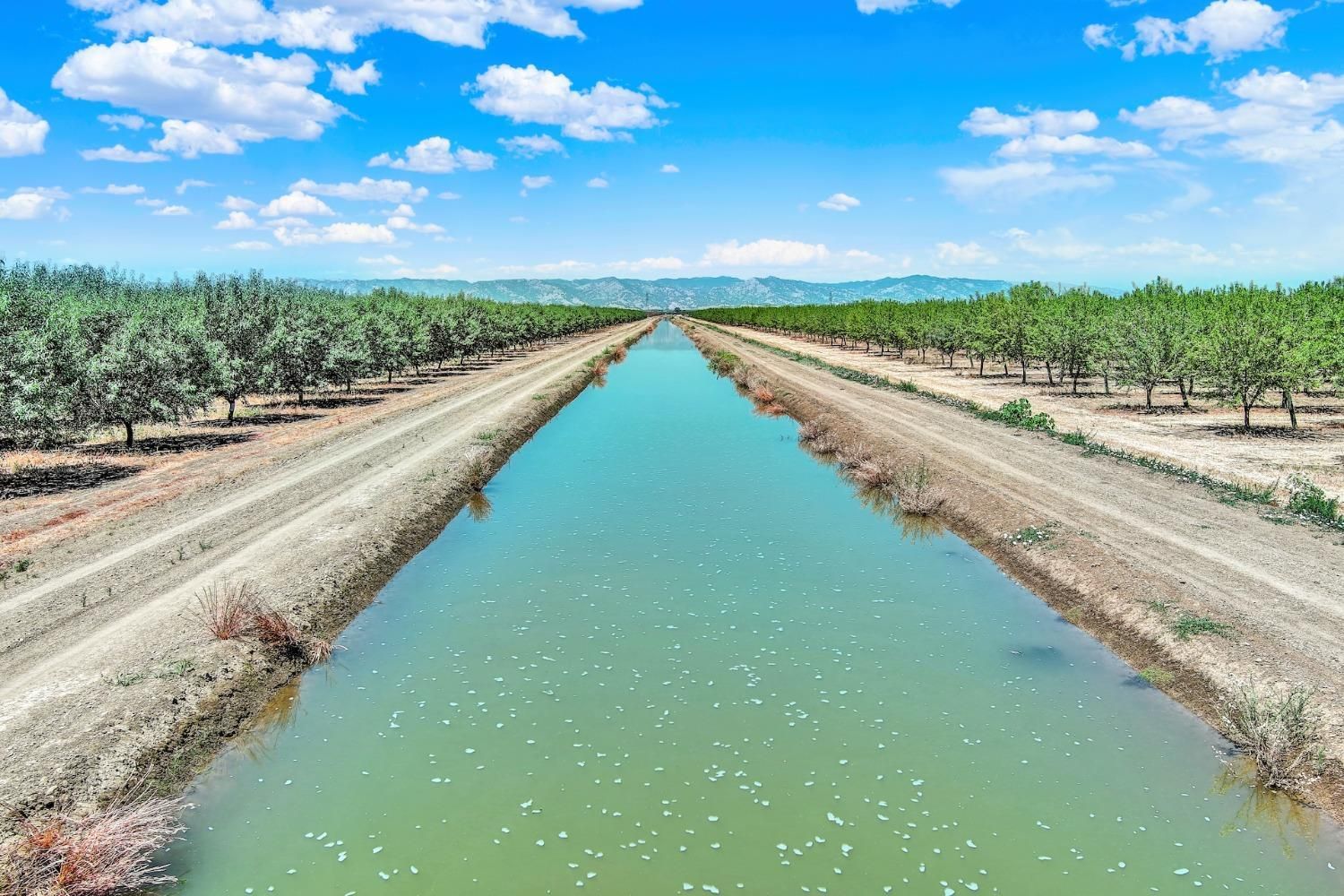
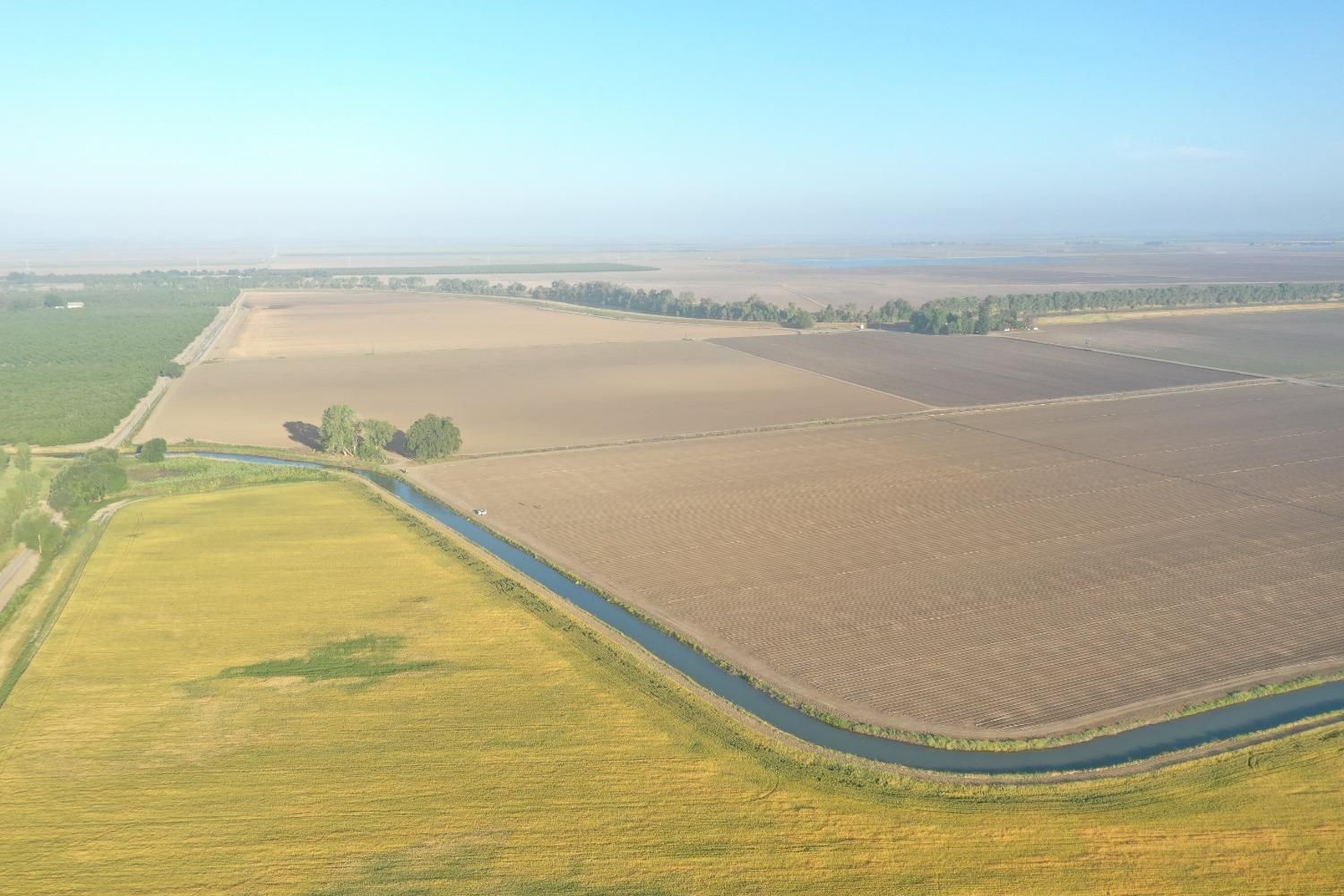
Reliable water access is one of the most significant drivers of farmland value in Northern California. Agricultural irrigation is supported by surface water districts, groundwater pumping, and diversions from the Sacramento and Feather River systems.
Water reliability, drainage infrastructure, and irrigation delivery systems directly influence crop viability, productivity, and buyer demand. Properties with dependable water supplies and effective drainage systems are often more attractive to both operators and investors.
Williamson Act & Agricultural Land Use
The Williamson Act allows farmland owners to receive property tax benefits in exchange for maintaining land in agricultural or open-space use. Contracts are administered at the county level and are common throughout Northern California.
Enrollment can reduce property tax burdens while preserving agricultural use, but it also limits development potential and influences buyer expectations. Understanding contract status, renewal timelines, and non-renewal procedures is important when evaluating land use flexibility and market value.
Conservation Easements & Preservation Programs
Conservation easements and habitat preservation programs play an increasingly important role in Northern California agricultural land use. These programs can compensate landowners for preserving agricultural or habitat values while limiting future development.
In some cases, conservation demand may enhance value by attracting preservation buyers or funding opportunities. Understanding the long-term implications of conservation easements is essential when evaluating land stewardship goals and market options.
Selling Farmland in Northern California
Selling agricultural land involves considerations beyond price, including water reliability, leases, conservation influences, and ownership structures. Positioning a property properly and reaching qualified agricultural buyers are critical to achieving strong results.
Landowners benefit from understanding market timing, value drivers, and the due diligence process before bringing property to market. Understanding these factors can help landowners evaluate value, timing, and long-term decisions regarding their agricultural property.
Contact us for a confidential conversation about how these factors affect your property.