
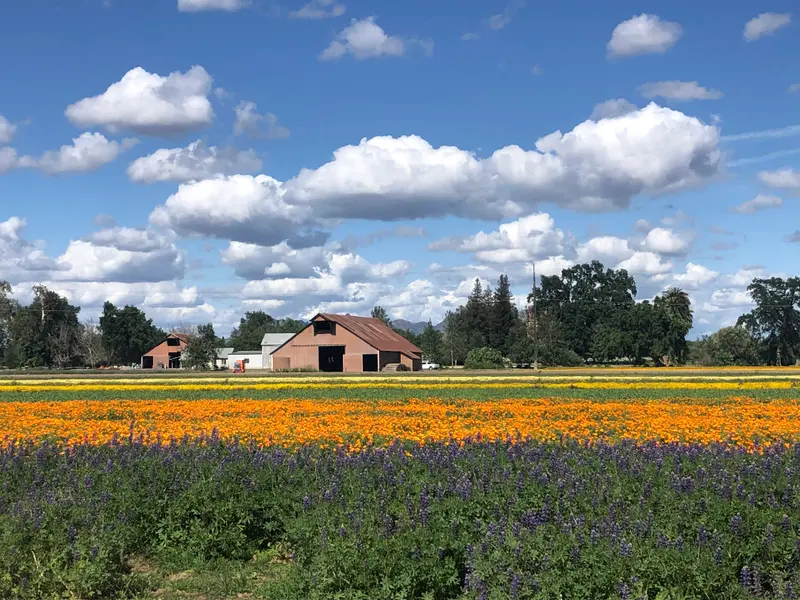
A Swainson's hawk needs more than a place to nest. It also needs a surrounding landscape where it can find food. In an agricultural region, protecting that landscape can depend on keeping suitable fields in farming and maintaining the conditions that make them useful for foraging.
This is the purpose behind many Swainson's hawk conservation easements: establish lasting habitat protections while allowing compatible agricultural use to continue.
The details matter. The Yolo Land Trust explains that its hawk-related easements can restrict conversion to orchards, vineyards, or other uses that reduce open foraging habitat. Some also restrict rice and address crop rotations or other management practices. The allowed uses depend on the particular agreement. Yolo Land Trust on farmland and wildlife habitat (opens in a new tab).
A documented connection at Elliott Ranch
An Elliott Ranch proposal provides a local example of how these issues come together. In September 2016, the Yolo Habitat Conservancy proposed adding habitat protections to an existing agricultural conservation easement on the 826.5-acre ranch south of West Sacramento, between the Sacramento River and Babel Slough.
The proposal sought to protect habitat for multiple species, including Swainson's hawk. Its objectives included retaining suitable annual crops, preventing conversion to orchards and vineyards, and protecting nesting trees and riparian corridors.
The proposal also names John Brennan, identifying a planned role working with Scott Stone and the seller on matters including easement language and appraisal. His inclusion in the project team connects the proposed habitat protections with the property and valuation work needed to pursue them. Elliott Ranch conservation easement proposal (opens in a new tab).
The example illustrates a useful distinction. Protecting a property from development and protecting particular habitat conditions can require different terms. An agreement that keeps land in agriculture may still allow changes in crops that matter greatly to wildlife.
What the easement changes
A conservation easement generally leaves ownership with the landowner while establishing binding limits on specified uses. It continues to affect the property when ownership changes. Monitoring helps the easement holder check compliance over time. Public access is a separate question; an easement does not inherently turn a private farm into a public park. Yolo Land Trust's explanation of conservation easements (opens in a new tab).
For a buyer, the recorded agreement belongs near the beginning of property review. Read it alongside the maps, management plan, and other governing documents. A listing's brief description of a “hawk easement” cannot answer every operational question.
The useful questions are specific: Which crops are allowed? Where are protected trees? How are drainage and irrigation work addressed? What improvements need approval? Who carries out monitoring, and what does the owner have to document?
Matching the commitment to the operation
The Yolo Habitat Conservancy works with willing landowners to protect habitat through conservation easements on working lands. Its landowner program makes the relationship between a property's habitat, management, and long-term conservation central to the process. Yolo Habitat Conservancy landowner information (opens in a new tab).
For an owner considering an easement, the practical task is to compare the proposed commitments with the farm's likely future. A plan should account for succession, tenants, equipment needs, and potential changes in cropping. For a purchaser, those same commitments are part of the property being acquired.
Swainson's hawk conservation works at the scale of a landscape, but its durability depends on clear agreements at the property level. The best time to understand those agreements is before decisions are made about price, financing, or future use.
Read more about conservation easements, or contact our team to discuss a property's documentation.