
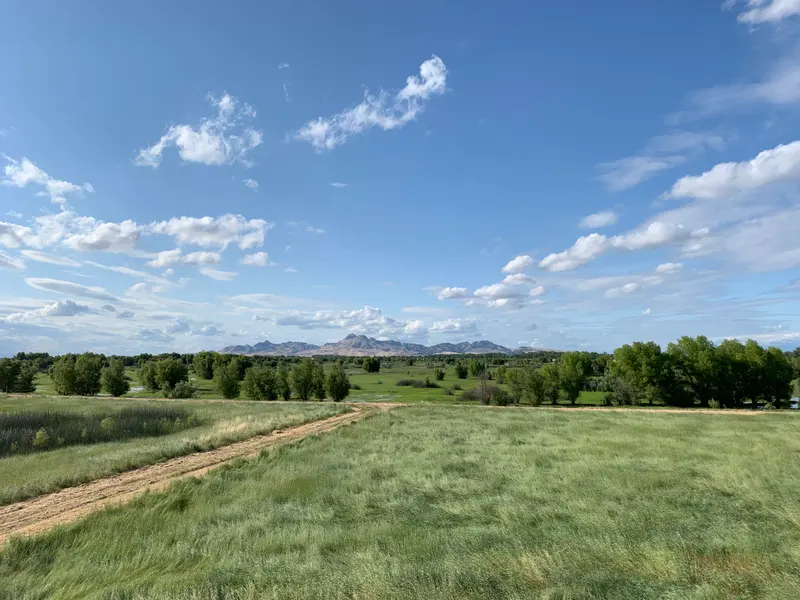
After rice harvest, the grain leaves the field and the straw remains. Managing that material is a major part of preparing for the next crop. For decades, burning was one way California growers handled rice straw. Smoke from that practice also made postharvest management an air-quality issue.
California's 1991 Connelly-Areias-Chandler Rice Straw Burning Reduction Act established a phased reduction in Sacramento Valley rice-straw burning. Limited disease-related burning remained part of the framework. The history is therefore a transition away from widespread burning, rather than a simple date on which every rice field stopped burning. California Air Resources Board rulemaking history (opens in a new tab).
That transition also connects rice production to a specialized asset: an emission reduction credit, or ERC.
What an ERC represents
An ERC is an air-district-certified reduction in a specified air pollutant that may be available for use under applicable permitting rules. It is identified by its pollutant, quantity, and regulatory characteristics. A certificate for one pollutant is not interchangeable with a certificate for another.
The Feather River Air Quality Management District explains that ERCs address criteria air pollutants and their precursors, rather than greenhouse gases. Its program covers pollutants including nitrogen oxides, reactive organic gases, and particulate matter. Credits may help satisfy offset requirements for qualifying new or modified stationary sources. Location and district approvals matter to whether a particular credit can be used. Feather River Air Quality Management District ERC guidance (opens in a new tab).
How rice-straw burning fits
Rice-straw ERC programs translated qualifying reductions in burning into documented air-quality credits. The important word is qualifying: reducing smoke in practice and holding a transferable certificate are different steps.
Feather River's Rule 10.9 provides a concrete example. It establishes a system for quantifying and certifying reductions from rice-straw burning within the rule's geographic scope. It uses historical burning information, includes filing deadlines, and requires recorded restrictions before credits are issued. Its treatment of reductions also reflects provisions specific to California's rice-burning legislation. Rice Straw Emission Reduction Credits Rule 10.9 (opens in a new tab).
Consequently, a field that is not burned today does not automatically generate a new ERC. The applicable rule, historical eligibility, application requirements, and certificate records control the result. Nor should a buyer assume that purchasing the field automatically includes every credit associated with its history.
For a land transaction, this creates two related inquiries: what restrictions affect the property, and who owns any existing certificates? Both deserve attention before a purchase agreement treats credits as part of the deal.
ERCs and rice carbon offsets are different
Rice cultivation can also appear in discussions of methane and greenhouse-gas offsets. Those discussions concern a different accounting system. CARB's 2015 adoption of a rice-cultivation offset protocol addressed qualifying methane reductions from specified management changes. That history does not make an air-pollution ERC a carbon credit or establish that a present-day farm qualifies for an offset project. CARB's rice-cultivation protocol announcement (opens in a new tab).
Keeping the terms separate makes conversations with buyers, sellers, and permitting agencies much clearer. Start with the certificate or program actually under discussion, then establish its governing rules.
Where the California ERC Exchange fits
The California ERC Exchange (opens in a new tab) provides a place to explore ERC listings and market information. It is operated by Brennan, Jewett, Hackett in association with Peter F. Brennan, Inc. The exchange is a marketplace resource; the relevant air district determines regulatory eligibility and acceptable use.
Before assigning value to a credit, a practical review should establish the issuing district, certificate number, pollutant, available quantity, ownership history, and any conditions affecting use or transfer. The intended buyer's permitting needs belong in that review as well. A listed credit and a usable offset for a particular project are not necessarily the same thing.
Rice-straw ERCs illustrate how a change in agricultural practice can leave a lasting mark on both land management and property records. Understanding that history is part of understanding the asset.
Visit the California ERC Exchange (opens in a new tab) to explore the market, or contact our team to discuss the property and documentation involved.